Ever woke up with a painful spot in your mouth, only to find that it hurts every time you eat or talk? Many people instinctively reach for a random remedy, thinking it’s just a "heatiness" issue—only to find that days later, the pain persists.
The truth is, what you’re experiencing could be a Mouth Ulcer (also known as a canker sore) or a Cold Sore. Confusing the two often leads to the wrong treatment, which can prolong your discomfort, cause recurring breakouts, or even risk spreading the condition to your loved ones. By understanding the core differences between these two conditions, you can choose the right treatment and speed up your recovery.
This guide will help you identify whether you are dealing with a mouth ulcer or a cold sore, understand their causes, and learn how to manage them effectively.
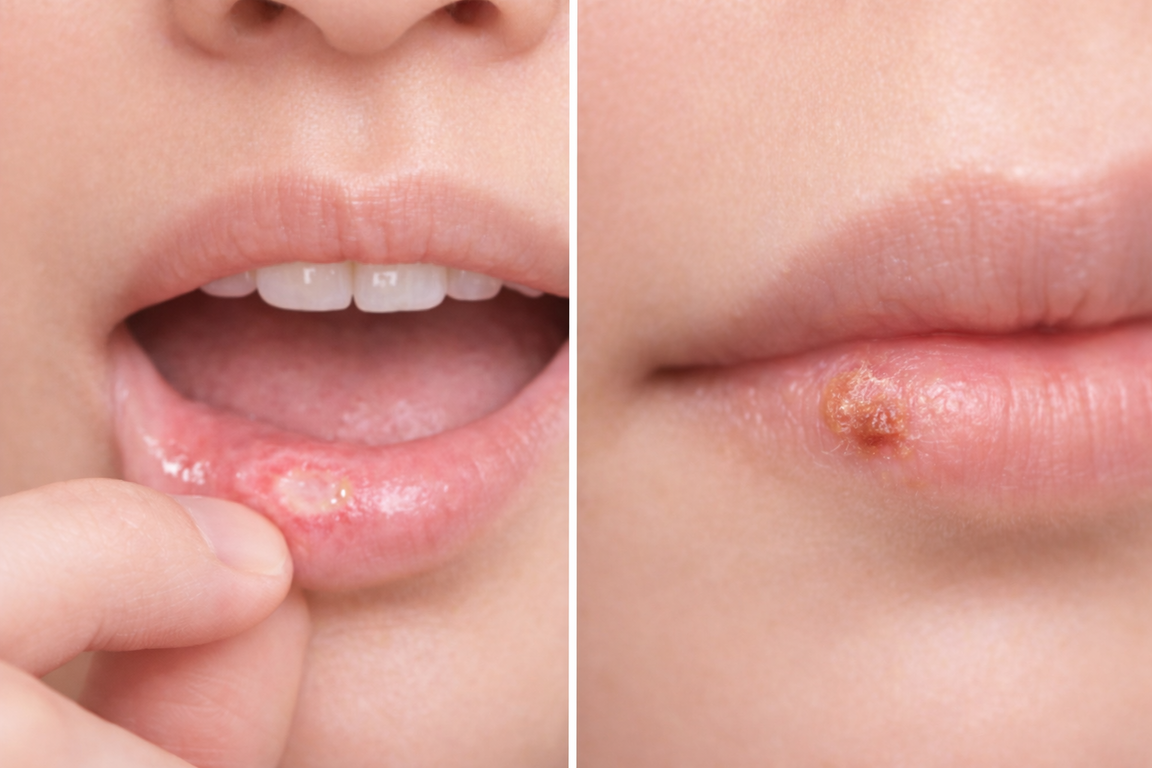
⏱️ Quick Comparison: Mouth Ulcer vs. Cold Sore
Mouth Ulcer (Aphthous Ulcer)
Cold Sore (Fever Blister)
Location
Inside the mouth (tongue, gums, inner lip, mucosa)
Outer lip, corners of the mouth, near the nose
Appearance
White/yellow center with red border (ulcer-like)
Small fluid-filled blisters that crust over
Sensation
Sharp pain upon contact
Itchy/tingling sensation before blistering
Causes
Trauma, stress, fatigue, dietary factors
HSV-1 Herpes virus reactivation
Contagious
No
Yes
Healing Time
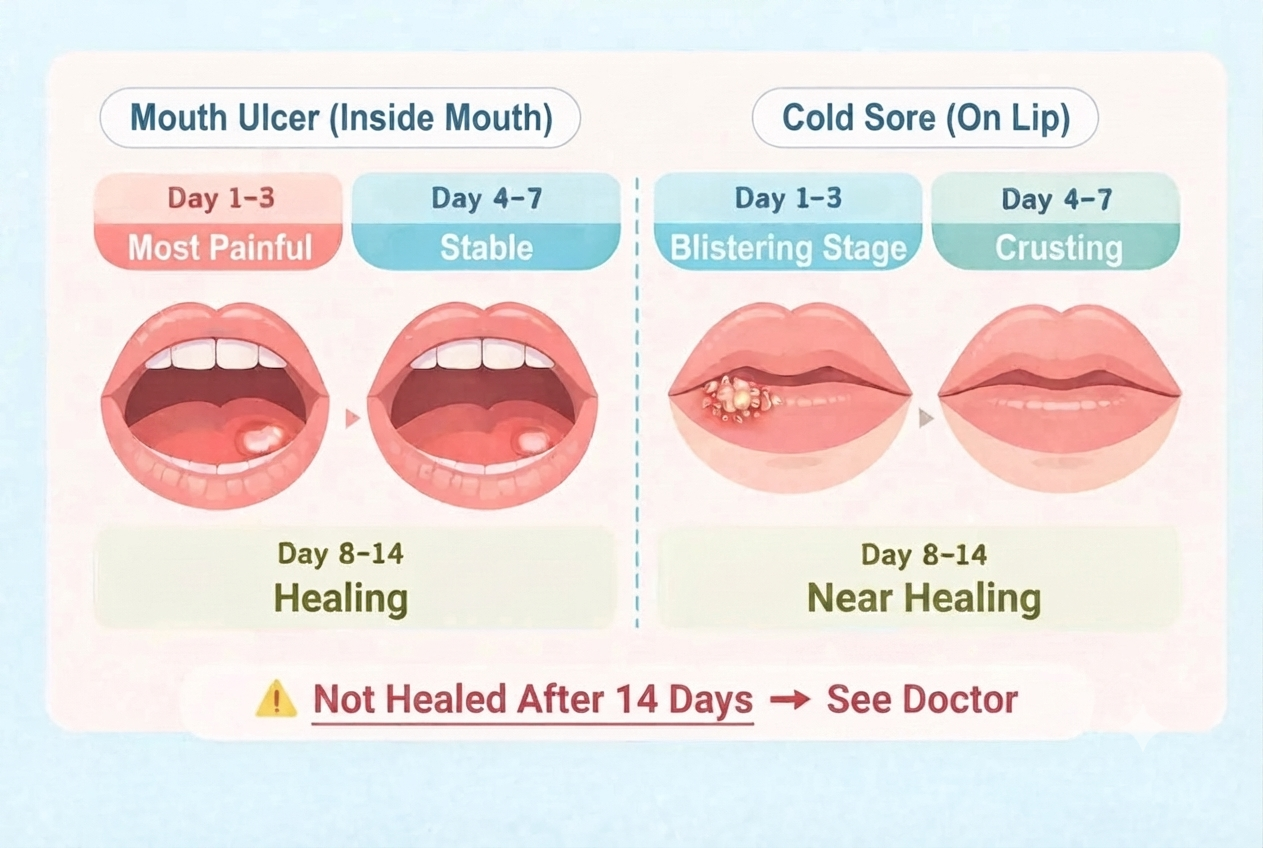
7–14 days
7–10 days
Pro Tip: Canker sores usually appear inside the mouth, while cold sores typically manifest on the outside (on or around the lips).
What is the Main Difference?
While both can be incredibly annoying, they are fundamentally different:
Mouth Ulcers (also known as canker sores) are localized ulcers caused by inflammation or tissue damage inside the mouth.
Cold sores are viral lesions caused by the HSV-1 virus, typically found on the lips and highly contagious.
Why Do They Occur?
Many people blame "body heat," but the root causes differ significantly.
Common Triggers for Mouth Ulcers: Brushing too hard, accidental biting, sharp food scratching the mucosa, or high stress levels.
Common Triggers for Cold Sores: The virus lies dormant in the body and reactivates during periods of fatigue or weakened immunity.
Shared Triggers: Lack of sleep, high stress, and exhaustion.
Are Cold Sores Contagious?
Mouth Ulcers are not contagious. However, cold sores contain the virus within their fluid and secretions. They are most contagious when the blister is forming or has broken. Mishandling them—such as popping the blister—can lead to secondary infections, delayed healing, and potential scarring.
During a cold sore outbreak, you should:
Avoid kissing: Especially infants and children.
Do not share items: Keep utensils, towels, and lip products separate.
Wash hands frequently: Prevent spreading the virus to other areas of the body.
Don't pop the blister: This increases friction, spreads the virus, and risks scarring.
How to Manage Discomfort and Speed Up Healing?
Don't use a "one-size-fits-all" approach. You must treat them based on the specific issue.
For Mouth Ulcers: Stop the Pain & Protect the Tissue
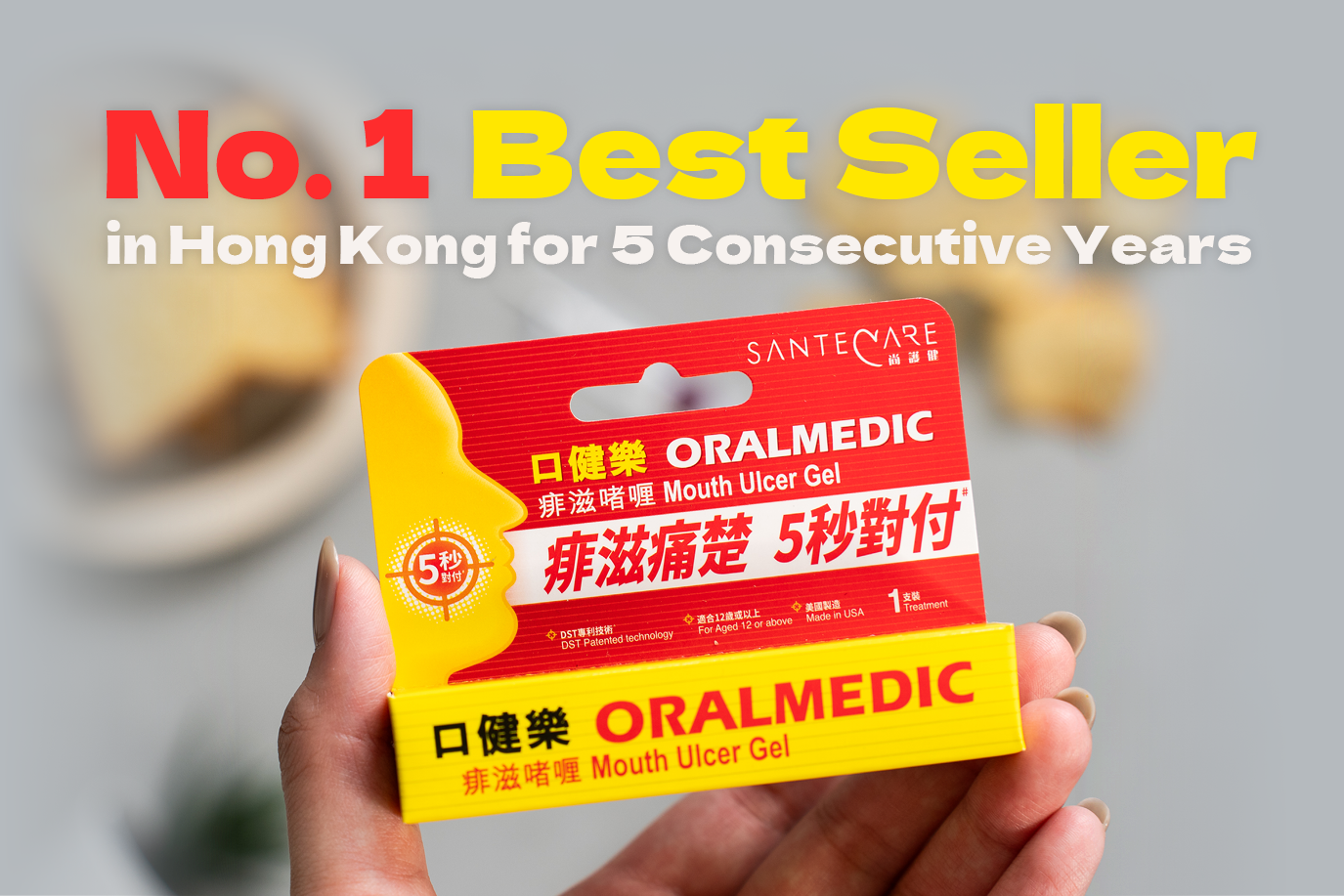
Mouth Ulcers are painful because they are constantly exposed to saliva, food, and friction. The goal is to protect the lesion so it can heal naturally.
Diet: Opt for mild, soft foods.
Oral Hygiene: Brush gently to avoid hitting the wound.
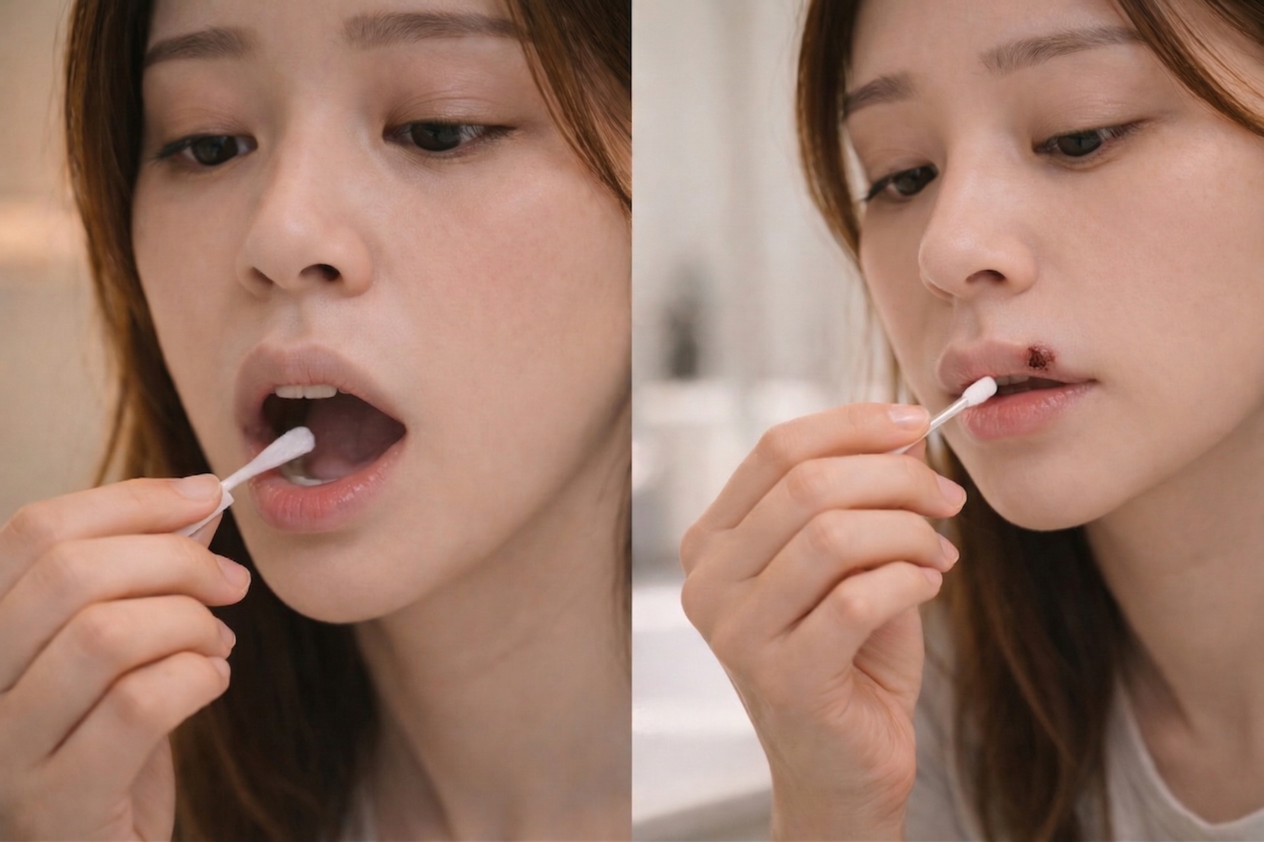
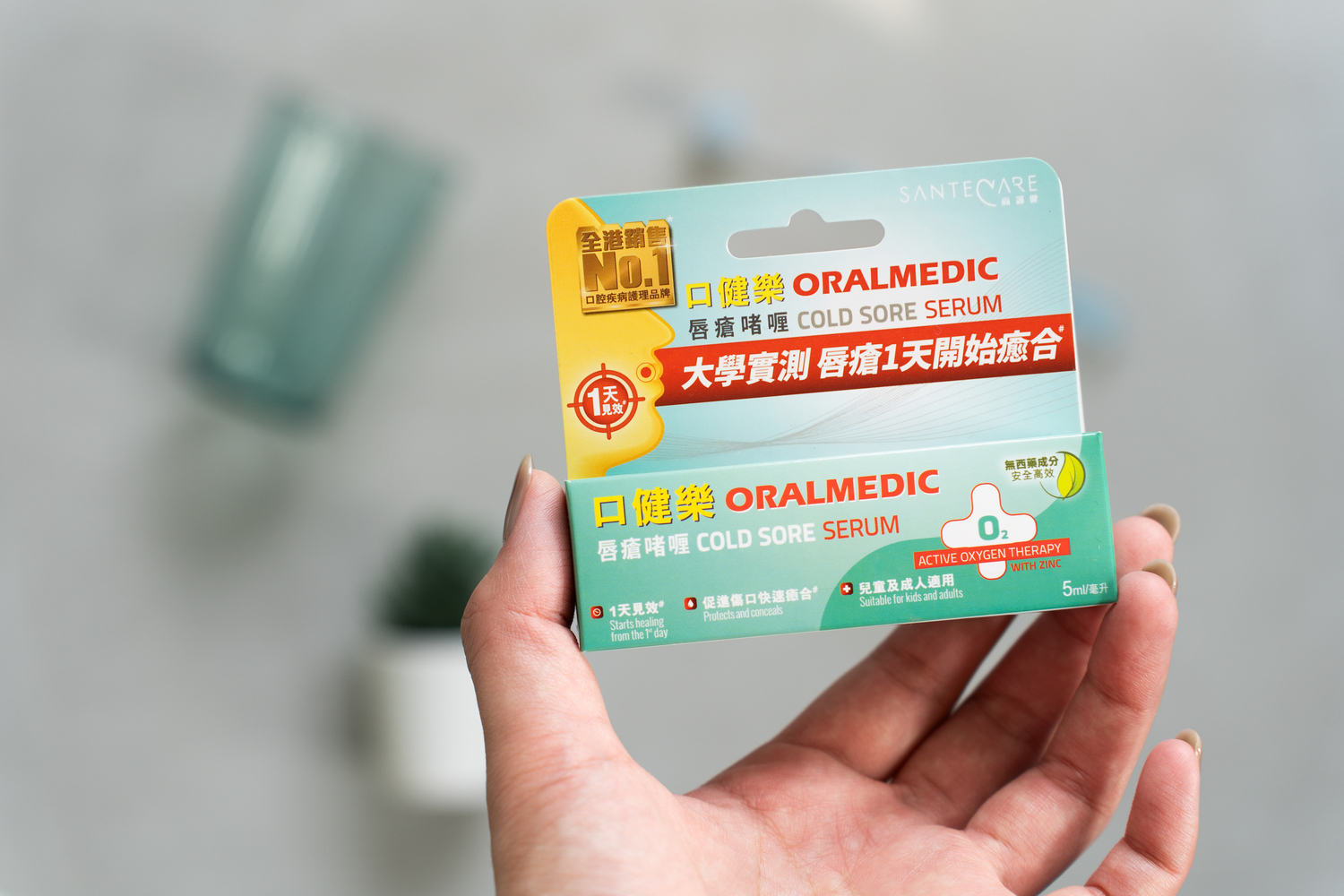
old sores need to go through stages: tingling, blistering, rupturing, and scabbing. The goal is to minimize friction to prevent the sore from cracking and bleeding.
Watch for symptoms: Act as soon as you feel that initial "tingling" sensation.
Minimize friction: Be gentle when eating or wiping your mouth.
Choose the right solution for your specific needs—don't settle for "one-size-fits-all.
Frequently Asked Questions(FAQ):
Q1:Can I get a Mouth Ulcer (also known as a canker sore) on my lip?
A: Rarely. If it's on the outer lip or corner of the mouth accompanied by itching and blisters, it is likely a cold sore
Q2:Can I use Mouth Ulcer Gel on a Cold Sore?
A: Not recommended. They require different treatments. Mouth Ulcer Gel is designed for internal mucosal ulcers, while Cold Sore Gel is formulated for the external skin environment to manage viral blisters and scabbing.
Q3:Why do cold sores keep coming back?
A: The virus remains dormant in your nerve cells and reactivates whenever your immune system is compromised.
Q4:Will a cold sore heal on its own?
A: Yes, in 7–10 days. However, using a protective gel helps prevent friction, which reduces the risk of scarring and secondary infection.
Q5:When should I see a doctor?
A: See a professional if you have a fever, the sore covers a large area, pain makes it impossible to eat/drink, or if it persists for more than two weeks.